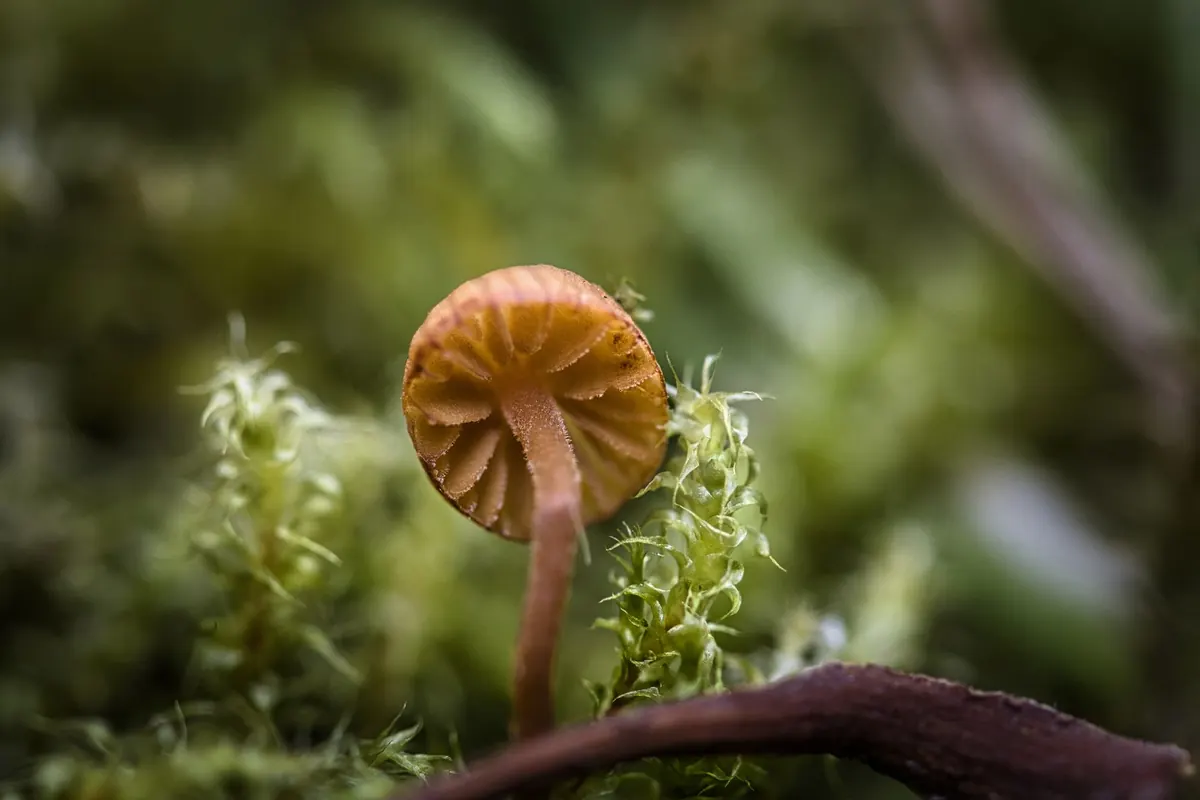
Brown moss is rarely a lost cause. Unlike a wilting houseplant, moss has no roots to draw from deeper soil and no waxy leaves to droop; it simply goes dull, crisp or bronze when something in its surroundings shifts. In most cases the moss is dormant rather than dead, and the same patch that looks finished in July can be green again by October. The work is in identifying which cause fits your setup, then fixing that one thing instead of guessing.
1. Dryness: The Most Common Reason Moss Browns
Moss drinks through its entire surface, so when the top layer dries out it has nothing in reserve. The tips curl inwards first, then the whole cushion stiffens and fades from green to straw-brown. Pick up a piece: if it crumbles and feels papery, dryness is your answer. If it lifts away from the stone like a dry scab, that is dryness too.
Rehydrating a dry patch
- Water with rainwater at room temperature, in the early morning or evening.
- Soak thoroughly rather than misting lightly — a gentle flood for a few minutes, then let it drain.
- Repeat every two or three days until the moss feels springy again.
- Cover with a clear lid or cloche for a week or two to hold humidity while it recovers.
Misting alone rarely rescues a badly dried patch. A proper soak reaches the base, which is where regrowth starts.
2. Tap Water and Hard Water
Mains water suits plenty of plants. Moss is fussier. It prefers soft, slightly acidic water, and much of the UK's tap water is hard and alkaline, with chlorine and dissolved minerals. Over months of watering, those minerals accumulate on the surface. The signs are subtle at first: a greyish cast, chalky white rings on stones or terracotta, and moss that looks tired even when it is wet.
Rainwater from a butt is the simplest answer, and moss usually responds to it within a few weeks. Filtered water works if you have it. Letting tap water stand overnight disperses chlorine but does nothing about hardness, so do not rely on it as a cure. If tap water is your only option, use it sparingly and flush the surface with rainwater when you can.
3. Too Much Light, or Too Little
Moss in full sun turns bronze or bleached, and often feels dry at the same time, so the two problems arrive together. If the browning is worst on the side facing the window and the moss behind it is still green, light is your culprit. Move the container back, filter the light with a sheer curtain, or relocate the moss to a north-facing spot with bright shade.
Too little light is a less common cause of browning, but moss kept in deep gloom and dry air will thin out and lose colour. Dappled light, the kind found under a deciduous tree, suits most species best.
4. Heat and Low Humidity
Moss is comfortable in cool, humid air. Above a radiator, in a heated room, or in a conservatory on a hot afternoon, it shuts down. Browning during a July heatwave is often dormancy rather than damage: the moss has stopped growing to conserve water and will green up when the weather cools and the rain returns.
Move moss away from radiators and south-facing glass. Grouping pots together lifts humidity slightly, and a tray of pebbles and water underneath helps, as long as the pot itself is not sitting in the water. Misting in a hot room can be wasted effort, since the water evaporates before the moss can take it in. Lower the temperature first, then mist.
5. Waterlogging and Poor Airflow
Constant wet plus still air is as harmful as drought, just slower. Moss in a sealed container with no drainage, or on ground that stays sodden, can rot. Rotting moss turns dark brown or black, feels slimy rather than crisp, and often smells sour. The base of the cushion goes first, while the top may still look passable.
Check drainage holes, raise pots onto feet, and water less often but more thoroughly. Sphagnum especially needs air around its stems, and sitting in stagnant water will kill it. The quick test is touch: dry moss is brittle, rotten moss is soft and dark.
6. Fertilisers, Chemicals and Contamination
Moss is sensitive to fertiliser, weedkiller, lawn feed and salts. A single overspray can leave a brown line across a patch, and dog urine scorches it in patches that look almost burnt. Runoff from concrete, salty grit from paths in winter, and copper from older containers all cause trouble too.
Do not feed moss. It takes what it needs from rain and dust. If you suspect contamination, flush the surface with plenty of rainwater, replace the top layer if the damage runs deep, and keep the area clear of sprays for the rest of the season.
7. Seasonal Dormancy and Natural Colour
Not every brown patch is a problem. Many mosses go dormant in summer and brown naturally, then revive with autumn rain. Some species are naturally bronze, rust or yellow-green, and older growth at the base of a cushion is always browner than the fresh tips. If the tips are green and only the lower stems have coloured, nothing is wrong.
Look for new growth before you panic. Tiny pale green shoots at the growing points mean the moss is alive and working. If you see those, leave it alone and keep conditions steady.
A Simple Recovery Plan
Work through the possibilities in order, because the first few cover most cases:
- Touch it. Crisp and papery means dry; soft, dark and smelly means rot.
- Check your water. Rainwater beats tap water every time.
- Look at the light. Bronze on the sunny side points to too much sun.
- Feel the air. Hot, dry rooms stall moss; cool and humid keeps it growing.
- Check the calendar. Summer browning is often dormancy, not death.
Then change one thing and wait. Moss recovers slowly by human standards, so give it two to four weeks of steady conditions before deciding it has failed. Keep it damp, keep it shaded, keep the air moving gently, and resist the urge to fertilise or scrub at it. If the moss is still attached to its surface, still springy under the brown tips, and showing any hint of green at the growing points, it will almost certainly come back.
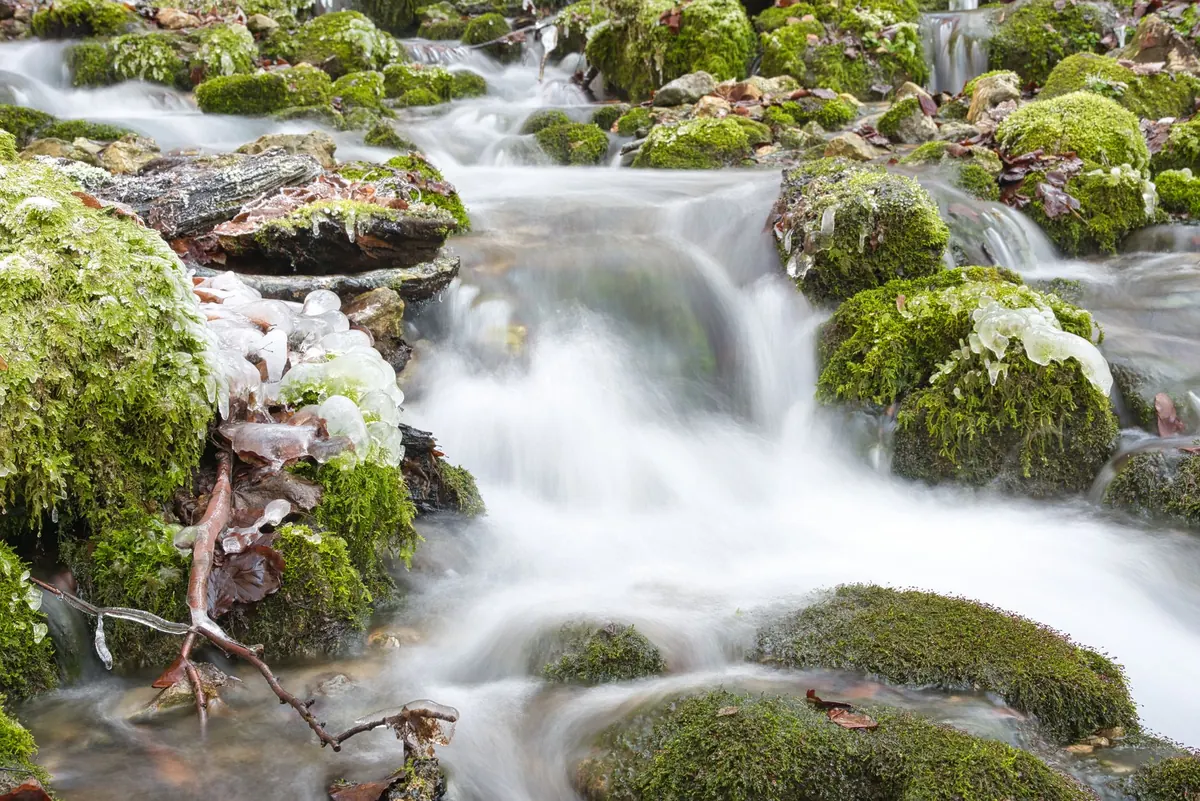
Photo: Wolfgang Vrede / Pexels